

Category: Understanding Phytonutrients and Food Color
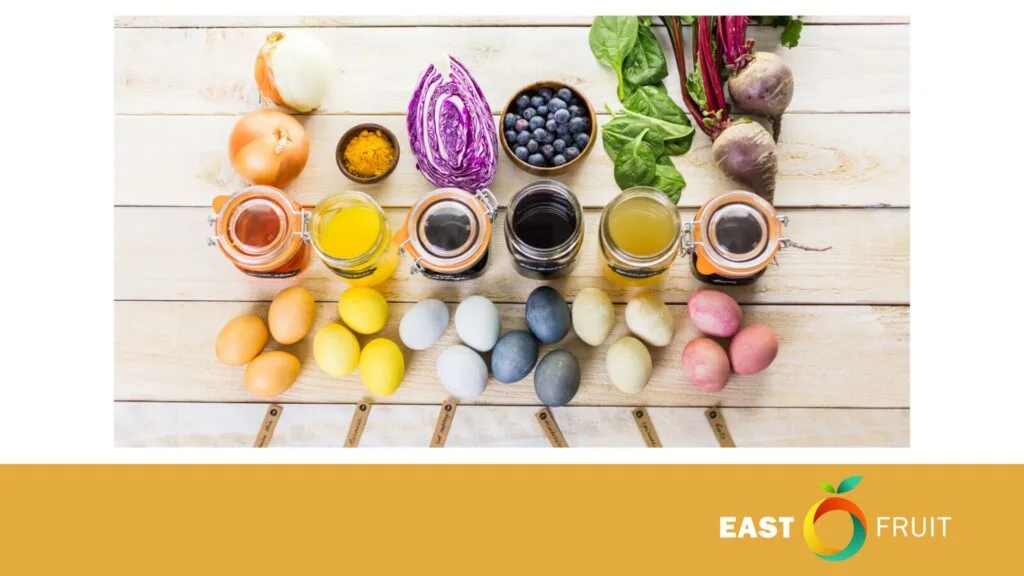
The vibrant colors of the vegetable aisle are not merely for aesthetic appeal; they are biological indicators of health-promoting compounds called phytonutrients. Unlike macronutrients like protein or fat, phytonutrients are specialized compounds produced by plants to protect themselves from environmental stress. When we consume these plants, we inherit those protective benefits. By understanding what each color represents, you can essentially “prescribe” yourself a spectrum of wellness through your grocery cart.
For example, red vegetables like tomatoes and red peppers are often rich in lycopene and anthocyanins, which are studied for their role in heart health and skin resilience. Green vegetables, such as kale and broccoli, are packed with isothiocyanates and lutein, supporting cellular health and vision. Orange and yellow produce, like carrots and squash, provide a high concentration of beta-carotene, which the body converts into Vitamin A to support the immune system. By ensuring your plate contains at least three different colors at every meal, you are providing your body with a comprehensive toolkit of natural compounds designed to maintain your vitality from the inside out.